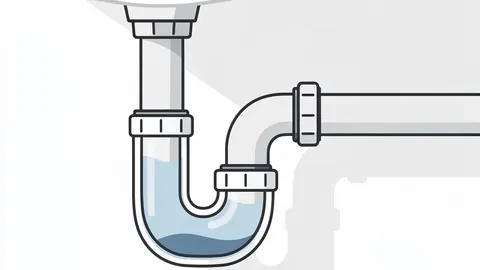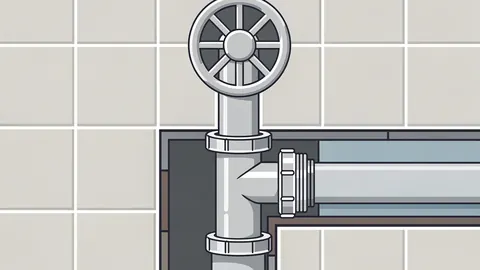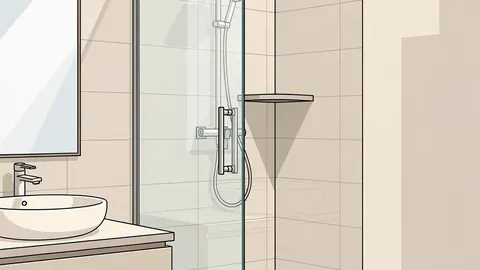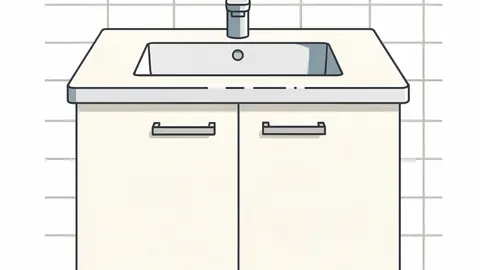
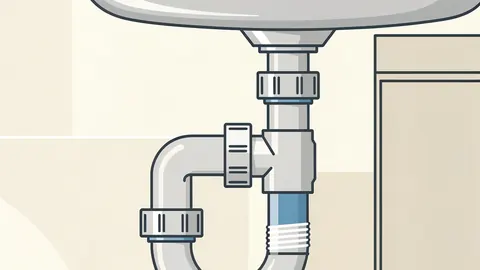
To the question of what a siphon is, the answer is as follows: a siphon (the same as a "trap") is one of the main components of the drainage system of a residential house, which connects the faucet to the sewer pipe. Its purpose is to transport used water, but its most critical function is invisible: it protects your home from sewage odors and clogs.
Without a siphon, unpleasant odors, bacteria and insects from the sewage system would freely enter the living space.
Consider the main types of siphons and their selection rules.
1. Bed bath siphon
The siphon for the bathroom is a complex construction, because it manages two flows: the main outlet of water and the "Overflow".
- Two pipe system: It consists of drain (lower) and drain (upper) pipes. These pipes are connected to each other and become one pipe, through which the water flows into the sewer.
- Overflow: the hole on the wall of the bathroom serves to prevent water from the bathroom from spilling onto the floor if the faucet is left on.
- Automatic systems: there are siphons with an automatic drain (so-called Click-Clack) function. By pressing the button or turning the handle, you can close the drain channel to fill the bath, or vice versa, open it.
2. Towel sink siphon
The siphon for the towel sink varies in shape and size. Three types are most common:
- Tubular siphon (S or U-shaped): This is an English S- or U-shaped bent pipe. Such a siphon is very convenient, since the water flow passes through it quickly and rarely gets stuck. In case any debris gets into the pipe elbow, many models have an opening for easy cleaning.
- Corrugated siphon: the most flexible option. It is made of a folded tube that you can bend in any direction and fit into difficult places. Plus: easy installation anywhere.
- Disadvantage: hair and grease easily collect in its folds, which is why it needs more frequent cleaning.
Bottle siphon: the most popular choice. Its design is rigid and reminds you of a bottle.
- "Guardian of valuables": it is very convenient to use in families. If a child drops a ring or earring down the sink, it will not go down the drain. The substance will settle to the bottom of the "bottle". You simply remove the bottom cap and easily retrieve the lost item.
3. Kitchen siphon
A modern kitchen needs a powerful and multifunctional siphon.
- Branch siphon: It has additional connections. This allows you to connect dishwashers and washing machines to the same siphon, which saves space.
- Double siphon: If you have a two-compartment sink in the kitchen, you will need a special siphon that will serve both sinks at the same time.
4. How does the siphon work?
The principle of operation of the siphon is based on physics, namely the "Hydrolock".
- Water flows from the sink into the siphon.
- It will pass through the internal reservoir (or the bend of the pipe) and enter the sewer.
- The main point: a certain amount of water always remains at the bottom of the siphon. This trapped water creates an airtight plug that blocks odors from the drain.
🛍️ Find the right one for you: browse bottle, tube and designer siphons here:
Expert's note: If you come home from vacation with an unpleasant smell, it means that the water in the siphon has evaporated. Just run the faucet for a few seconds, the siphon will fill with water and the smell will disappear instantly.
Conclusion: a quality siphon is a guarantee of hygiene in your home. All types of siphons—from simple corrugated pipe to sophisticated brass models—are available at Merlons.
Frequently Asked Questions (FAQ)
Which siphon is better: plastic or chrome (brass)? - Plastic (polypropylene) is durable, cheap and does not rust, which is ideal for mounting inside the cabinet. A chrome siphon is more expensive, but it looks much nicer if the pipes under the sink are exposed.
Why is the siphon leaking? - Leakage occurs mainly in connection areas. The reason is often an old rubber gasket (so-called "prakladka") or an incorrectly tightened screw. First, check the tires.
How often should we clean the bottle siphon? - Consumable, but recommended once every 3-6 months. If you notice that the water is running slowly, simply remove the bottom cap, remove the debris and put it back in place.