The kitchen is the core of any home. It is a place where we drink coffee with friends, cook dinner and celebrate success. Because we spend so much time here, every detail is crucial—especially the kitchen sink.
An ideal sink not only complements the interior, but also defines your comfort. It dictates what kind of faucet to install, how big the closet should be, and how easy it will be to wash the dishes.
If you're planning a renovation, use this guide to find the one sink that fits your habits exactly.
1. Three golden questions
Before you decide to buy, ask yourself:
- Installation: Do you want the sink to be top-mounted or under-mounted?
- Configuration: Do you need one large unit for large boilers or two for parallel processes?
- Material: What do you prefer—durability, style, or ease of maintenance?
2. Size and configuration
Size depends on your space and cooking habits.
- Single compartment (standard 45-60 cm): ideal for small kitchens. Modern, deep single-compartment sinks are quite capacious and can easily accommodate a large stove "pot", which is often not possible in two-compartment sinks.
- Two compartments (75cm+): the best choice for large families. You can wash dishes on one side, and wash vegetables or drain pasta on the other side.
- "Workstation" (90cm+): professional level sinks. Built-in accessories are often included: a cutting board, a colander that slides over the surface of the sink.
3. Meaning of the material
The material determines the lifespan of the sink and the maintenance rules.
A. Stainless steel (classic)
- Pros: Light, durable, heat-resistant and affordable. Fits any modern style.
- Expert Tip: Choose models with PVD coating (Gold, Copper or Gun Metal). They are more resistant to scratches. Also, make sure the sink has Sound Deadening Pads underneath.
B. Granite / Quartz (trendsetter)
- Pros: Incredibly solid and scratch resistant. Available in black, gray and beige tones, which create a luxurious look. Water drops are not as visible on it as on metal.
- Cons: Slightly more expensive than standard metal.
C. Ceramics / Porcelain (Vintage Spirit)
- Pros: A glossy, beautiful finish that's perfect for a classic or farmhouse style. It is very hygienic.
- Cons: Can break or chip if a heavy pot is dropped on you.
4. Types of installation
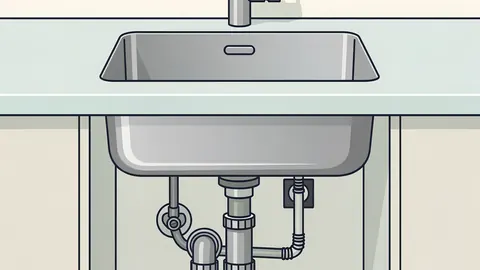
- Undermount: mounts below the surface.
- Advantage: You can pour the crumbs directly into the sink from the surface without getting in the way. It looks very clean. It needs a stone or quartz surface.
Top-mount: the edge is placed on the surface.
- Advantage: it is the easiest to install. Compatible with any surface (including laminate).
Conclusion: Whether you need a powerful granite sink or a sleek metal model, the right choice will make your everyday life easier. Discover the complete collection of premium sinks at Merlons.
Discover our wide selection of kitchen sinks and accessories in:
Frequently Asked Questions (FAQ)
Which is harder to scratch: granite or steel? - Quality granite composite is harder to scratch than standard steel. However, textured steel with a PVD coating (ie, a “nano” finish) is also very durable.
Can I install an Undermount sink on a laminate surface? - In general, no. The laminate has a core of chipboard, which becomes foamy when water gets in (which is unavoidable when installing from below). Undermount sinks are best for stone, quartz or marble surfaces.
What is the ideal sink depth? - The ideal depth is 18-20 cm. A shallower sink splashes water, and a sink that is too deep (25cm+) can cause back pain when washing for long periods of time.